
How ultraviolet exposure reshapes skin biology over time, and why understanding ageing properly matters more than any single treatment.
Ageing is often discussed as though it were a singular, inevitable process, yet the skin tells a more nuanced story. Some changes reflect intrinsic biology, unfolding gradually through genetics and time and others are environmental. Photoageing is not simply accelerated intrinsic ageing; it is a biologically distinct process driven by chronic ultraviolet exposure that produces recognisable clinical and histologic patterns. Photoageing refers to the visible and structural alterations caused specifically by chronic ultraviolet exposure and environmental stress, superimposed on natural ageing pathways. While often framed as a cosmetic issue, photoageing is better understood as the cumulative biological response of skin to repeated environmental injury over decades.
This distinction matters because intrinsic ageing and photoageing do not produce the same skin. Intrinsically aged skin tends to become thinner, drier and more finely wrinkled, with gradual loss of elasticity and volume. Photoaged skin, by contrast, demonstrates coarse texture, irregular pigmentation, vascular change, laxity and altered dermal architecture. These differences reflect fundamentally different biologic mechanisms. One is a slow decline in regenerative capacity; the other represents chronic injury and maladaptive repair.
How ultraviolet exposure alters skin biology
Ultraviolet radiation drives this process through multiple pathways. UVB primarily damages epidermal DNA, triggering direct mutational stress and inflammation. UVA penetrates more deeply, generating reactive oxygen species that degrade collagen, impair fibroblast function and alter extracellular matrix structure. Over time, repeated exposure disrupts the balance between collagen synthesis and breakdown, shifting the skin toward progressive structural decline. Elastin fibres accumulate in a disorganised form, a process known histologically as solar elastosis, while dermal support gradually weakens.
In clinical practice, this biology explains why patients rarely present with a single isolated sign of sun damage. Pigment irregularity, fine lines, background redness and early laxity often appear together because ultraviolet exposure does not target one pathway in isolation. Understanding this early helps patients make sense of why treatment plans frequently combine modalities rather than relying on one device or product alone. What appears superficially as ageing is often the visible expression of multiple overlapping biologic changes occurring simultaneously beneath the skin.
What is often underappreciated outside dermatology is how profoundly different photoaged skin looks under the microscope compared with intrinsically aged skin. Intrinsic ageing is characterised largely by gradual thinning, reduced cellular turnover and modest decline in collagen density. Photoaged skin, however, demonstrates architectural disorganisation. Collagen bundles appear fragmented rather than simply reduced, elastic fibres accumulate abnormally within the upper dermis, and ground substance becomes irregularly distributed. Fibroblast behaviour changes, with reduced responsiveness to growth signals and altered capacity for organised repair. Epidermal polarity becomes less consistent, melanocyte distribution more irregular, and vascular structures demonstrate chronic dilation and remodelling.
In practical terms, this means that photoageing represents not just loss but misrepair. The skin is not ageing quietly; it is adapting repeatedly to injury in a way that gradually reshapes its internal architecture. This distinction explains why treatments aimed purely at stimulation often underperform unless disorganised tissue has first been selectively remodelled or removed.
Molecular pathways and oxidative stress
At a molecular level, this imbalance is mediated by changes in signalling pathways that regulate tissue repair. Ultraviolet exposure activates transcription factors such as AP-1, which in turn upregulate enzymes known as matrix metalloproteinases including MMP-1, MMP-3 and MMP-9. These enzymes degrade collagen fibres and structural proteins that normally provide tensile strength and resilience. At the same time, transforming growth factor beta signalling, which supports collagen synthesis and orderly repair, becomes suppressed. The result is not merely accelerated wear but a chronic state in which breakdown exceeds regeneration. Over decades, collagen types I and III become fragmented, extracellular matrix organisation deteriorates, and dermal architecture remodels into a less functional configuration. Glycosaminoglycan distribution also changes, altering hydration dynamics and contributing to the textural dullness often seen in chronically sun-exposed skin.
Oxidative stress sits at the centre of this biology. Reactive oxygen species generated by ultraviolet exposure overwhelm antioxidant defence systems, leading to lipid peroxidation, mitochondrial dysfunction and DNA injury. These pathways activate inflammatory cascades and transcription factors that alter cellular behaviour long after sun exposure has ended. What appears clinically as pigment irregularity or fine wrinkling often reflects cumulative oxidative signalling rather than acute damage. Repeated oxidative injury also contributes to DNA repair fatigue, meaning that cellular resilience gradually declines with cumulative exposure, reinforcing the long-term nature of photoageing.
Inflammation amplifies the process further. Mediators known as cytokines released after ultraviolet exposure influence keratinocytes, melanocytes, fibroblasts and immune cells, creating a microenvironment that sustains tissue remodelling. Importantly, this inflammation is often subclinical. Patients may not recall significant sunburns, yet low-level daily exposure accumulates biologic consequences over years. The skin integrates these signals silently until visible ageing becomes apparent.
Clinically, photoageing evolves slowly enough that most individuals underestimate cumulative exposure. In the third decade of life, early pigment irregularity and subtle textural change may appear despite otherwise youthful skin. By the fourth decade, collagen degradation begins to outpace repair capacity, producing early laxity, uneven tone or persistent background redness. Beyond this point, environmental insults interact with declining intrinsic repair mechanisms, accelerating visible change. What patients often experience as a sudden shift in their forties or fifties is therefore not new damage but the moment at which cumulative injury crosses a biologic threshold and becomes clinically apparent. This delayed visibility partly explains why prevention is psychologically difficult; the consequences of ultraviolet exposure are rarely immediate, yet biologically they are cumulative from the earliest years of adult life.
Melanogenesis represents one of the most visible protective responses. Melanin absorbs ultraviolet radiation and scavenges free radicals, acting as a biological defence mechanism. However, repeated stimulation leads to uneven pigment production, lentigines and dyschromia. Pigmentation therefore reflects both protection and damage simultaneously, which helps explain why pigment disorders often persist despite treatment unless underlying triggers are addressed.
Phenotypes, ethnicity, and environmental factors
Photoageing does not present identically across individuals. Clinically, photoageing tends to present along two broad phenotypic patterns. The atrophic phenotype is characterised by thin, finely wrinkled, translucent skin with increased fragility and visible telangiectasia, often seen in lighter phototypes with cumulative ultraviolet exposure. This phenotype is frequently associated with actinic change and may demonstrate a higher prevalence of pre-cancerous lesions known as actinic keratoses, reflecting chronic epidermal DNA injury combined with reduced dermal support. The hypertrophic phenotype, by contrast, demonstrates deeper furrows, thicker texture and marked solar elastosis, reflecting chronic dermal remodelling rather than simple collagen loss. Nodular elastotic change and coarse surface architecture are more typical in this group. Recognising these phenotypes is clinically important because treatment strategy differs: one requires support and restoration, while the other benefits from controlled remodelling and structural refinement. Over-aggressive resurfacing in atrophic skin may worsen fragility, while insufficient remodelling in hypertrophic ageing fails to address the underlying elastotic burden.
Ethnicity adds another layer of complexity. Darker skin phototypes possess greater baseline melanin protection and may show delayed onset of visible wrinkling, yet they frequently demonstrate earlier or more pronounced pigmentary change. Lighter phototypes tend toward vascular and textural manifestations, while those with skin of colour often present with dyschromia, uneven tone or post-inflammatory pigmentation as dominant features of ageing. These differences reflect not only melanin quantity but also melanosome size, distribution and persistence within keratinocytes, alongside variation in dermal structure and inflammatory response. The misconception that darker skin does not photoage ignores the reality that ageing simply manifests through different biological pathways. In diverse urban populations, recognising these distinctions is essential for safe treatment planning and realistic expectation setting.
Environmental factors beyond ultraviolet exposure increasingly contribute to photoageing. Air pollution, particulate matter and climate-related stressors exacerbate oxidative injury and inflammation, amplifying ultraviolet effects. Heat itself influences melanocyte activity and vascular signalling, helping explain why pigmentation often worsens during warmer months even with careful sun protection. The modern environment therefore accelerates ageing through overlapping exposures rather than sunlight alone.
Treatment principles and clinical strategy
From a biological perspective, photoageing is not a single pathway but a convergence of stress responses. Collagen degradation, impaired repair signalling, chronic inflammation, vascular change and pigment dysregulation evolve simultaneously. Clinically, this is why patients rarely present with one isolated problem. Pigment, redness, textural roughness and laxity frequently coexist, reflecting multiple layers of biologic change occurring in parallel.
Photoageing also sits on a continuum with carcinogenesis. Chronic ultraviolet exposure induces cumulative DNA mutations, including alterations in tumour suppressor pathways such as p53, which are frequently identified in photoexposed skin long before clinical malignancy develops. Field cancerisation, represented clinically by actinic keratoses, reflects widespread molecular damage rather than isolated lesions. While aesthetic patients may seek treatment for pigment or texture, the underlying biology reminds us that photoageing is not purely cosmetic; it represents chronic environmental injury with real medical significance. This perspective reinforces why prevention and biologically informed treatment matter beyond appearance alone.
Understanding this complexity reframes treatment entirely. The goal is not simply to reverse visible signs of sun damage but to restore healthier biologic behaviour in skin that has adapted to decades of ultraviolet stress. Many aesthetic failures arise because treatments target visible outcomes without addressing the processes sustaining them. Aggressive resurfacing in unstable skin, poorly sequenced energy devices, or repeated interventions without sufficient recovery may amplify inflammation and accelerate unwanted change.
Stabilisation therefore precedes correction. Barrier integrity, antioxidant support and consistent photoprotection remain foundational because they lower the inflammatory baseline and improve treatment tolerance. Without this groundwork, even technically successful procedures may produce transient results followed by recurrence.
Photoprotection itself must be understood beyond sunscreen alone. Ultraviolet exposure interacts with pollution, oxidative stress and thermal signalling, meaning broad-spectrum UVA protection, visible light coverage and behavioural strategies all contribute to long-term outcomes. Prevention and correction are not separate phases; they are interdependent.
A common misconception, particularly in northern European climates, is that photoageing is primarily the result of intentional sun exposure or holidays abroad. In reality, cumulative incidental exposure accounts for a substantial proportion of lifetime ultraviolet dose. Ultraviolet A penetrates window glass, meaning driving, commuting and working near natural light contribute to chronic dermal exposure even in the absence of visible tanning. Daily short exposures accumulate silently across decades. This distinction is clinically important because many patients presenting with significant photoageing do not perceive themselves as sun-seekers and therefore underestimate their cumulative risk. Reframing photoageing as the consequence of environmental routine rather than occasional excess helps explain why prevention must be habitual rather than seasonal.
When interventions are introduced, they function best within a biologic framework rather than as isolated solutions. BroadBand Light is often valuable for addressing pigment and vascular change simultaneously, improving clarity while influencing inflammatory background signalling. Hybrid fractional technologies such as HALO allow simultaneous epidermal renewal and dermal stimulation, making them particularly useful when pigmentation coexists with textural change and early laxity. Erbium-based platforms such as UltraClear offer precision resurfacing with reduced collateral thermal injury, an important consideration in pigment-prone skin. Contour TRL occupies a deeper resurfacing role when structural correction is required.
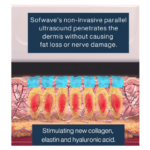
Adjunctive modalities play a complementary role. Medium depth chemical peels support epidermal renewal and pigment regulation when carefully selected. Injectable biostimulators such as polynucleotides and Profhilo may improve skin quality and regenerative signalling rather than functioning as volumising interventions. Sofwave provides non-ablative collagen stimulation where structural support is needed without epidermal injury. None of these options exist in isolation. Their value depends entirely on timing, sequencing and combination strategy.
What differentiates effective photoageing management from routine aesthetic treatment is not the technology itself but the framework through which ageing is interpreted. Photoageing rarely presents as a single process. Pigment change, vascular signalling, dermal matrix decline and alterations in skin quality evolve simultaneously, often progressing at different speeds within the same individual. When treatments are selected in isolation, outcomes can appear inconsistent because only one visible component is being addressed while others continue to advance beneath the surface. The role of the clinician is therefore less about selecting a device and more about identifying which biologic process is dominant at that moment, then sequencing intervention accordingly. This shift from treating appearances to managing biology is what separates long-term skin health strategies from short-term cosmetic correction.
In this sense, photoageing is less a cosmetic phenomenon than a visible record of how biology responds to the environment over decades. The skin documents cumulative ultraviolet exposure, oxidative stress, inflammation and structural change in a way that is both biologically meaningful and clinically interpretable. Successful management therefore depends not on pursuing a single intervention but on understanding which ageing pathways are active and how they interact within that individual skin.
This is where clinic expertise becomes decisive. Devices themselves are widely available, but outcomes depend on internal protocols, patient selection and clinical judgement. Effective photoageing treatment is not achieved by switching machines on and off. It requires understanding how different technologies interact biologically, when to combine modalities, when to sequence them, and when restraint will produce better long-term results than intervention. The difference is often invisible at the beginning, but becomes obvious over time in the quality and stability of outcomes. Photoageing is therefore not a technology problem but a diagnostic one, requiring interpretation rather than protocol-driven automation.
At the highest level of aesthetic dermatology, the difference between average and exceptional outcomes is rarely the device itself. Technology can deliver energy, but it cannot diagnose, interpret biology or adjust strategy in real time. The strongest results seen in leading cosmetic dermatology practices arise not from isolated treatments but from coherent, longitudinal management plans designed around skin behaviour rather than single concerns. This requires recognising when pigment is inflammatory rather than epidermal, when laxity reflects structural decline rather than volume loss, or when barrier dysfunction will undermine even technically perfect intervention. Photoageing management therefore becomes an exercise in clinical strategy: knowing when to intervene, when to combine modalities, and equally when restraint will protect long-term outcomes better than immediate correction.
What ultimately differentiates meaningful photoageing management is not access to technology, but the ability to interpret skin through multiple lenses simultaneously. Effective treatment requires a clinician who understands dermatology, laser physics, pigment biology and the variation in how different skin types age and respond to injury. In practice, these disciplines are often separated, with medical dermatology, cosmetic procedures and device-based treatments operating in parallel rather than as a unified framework.
At Self London, the approach is deliberately integrated, combining years of consultant dermatology experience with advanced cosmetic laser expertise, extensive experience across different skin types, and an evidence-led understanding of skin biology.