TL;DR
- Skin pigmentation is a biological response to cumulative environmental stress involving UV exposure, inflammation, hormones, oxidative stress and air pollution.
- Pollutants can trigger oxidative stress and inflammation that activate melanocytes, making dark spots, melasma and uneven tone more likely and persistent.
- Pigmentation is usually multi-factorial, with pigment changes occurring alongside inflammation, vascular shifts, and barrier dysfunction. Treating pigment alone often gives limited results.
- Effective management requires stabilising skin biology first through inflammation control, barrier repair, and broad photoprotection covering UV, visible light and pollution-related stress.
- Pigmentation reflects cumulative environmental burden and requires diagnosis-led, biologically informed treatment for long-term improvement.
How modern air exposures translate into dark spots, uneven tone, and melasma, and why the biology is not just cosmetic
Pigmentation is one of the most visible ways in which the skin records the environment, and one of the most psychologically charged. A new freckle after summer, a patch of melasma deepening during a heatwave, persistent post-inflammatory hyperpigmentation following acne, or a gradual unevenness emerging across the cheeks can all feel like ageing. Yet the processes underpinning these changes are rarely simple. In reality, pigmentation represents the intersection of inflammation, oxidative stress, vascular signalling, hormonal influence and cumulative ultraviolet exposure acting together over time.
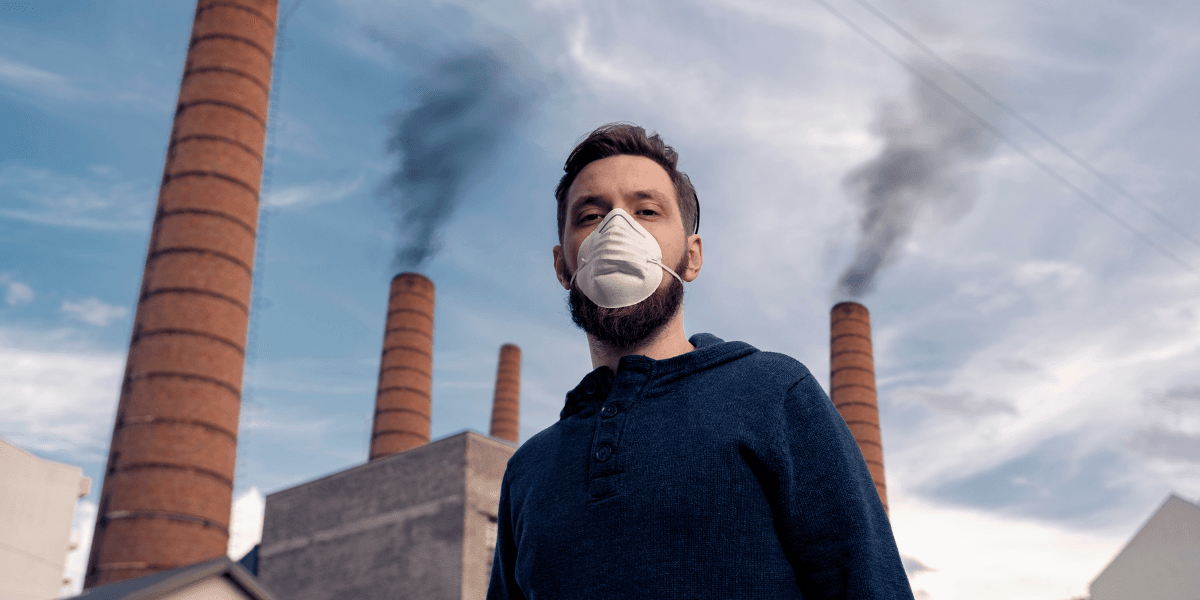
Over the last decade, another contributor has become increasingly difficult to ignore. Air pollution and climate-associated stressors are not simply background exposures but biologically meaningful inputs into the pigmentary system. This is no longer speculative. Epidemiologic studies link chronic exposure to traffic-related pollutants with increased facial lentigines and pigment spots, while mechanistic research demonstrates that common urban pollutants are capable of stimulating melanogenesis directly in human skin models.
Pigmentation disorders are among the most frequent reasons patients seek dermatologic advice, particularly in ethnically diverse populations. They are also notoriously difficult to stabilise, because the pigmentary apparatus is reactive; once melanogenesis has been activated through oxidative or inflammatory signalling, relatively minor environmental exposures can trigger recurrence.
In modern urban practice, it is increasingly common to see pigmentation patterns that reflect cumulative environmental exposure rather than classical sun damage alone. Patients who spend most of their day indoors often assume their pigment changes cannot be environmentally driven, yet many commute through high-traffic environments, walk between buildings surrounded by reflective surfaces, or experience repeated low-level exposure to heat and airborne pollutants. The skin does not distinguish between deliberate sunbathing and chronic urban exposure. It simply integrates signals over time.
When pollution is discussed publicly, the conversation usually focuses on respiratory or cardiovascular disease. Skin rarely enters the discussion despite representing the largest interface between the body and the external environment. Pollutants reach the skin through multiple routes: direct deposition onto the stratum corneum, penetration via follicles and sweat ducts, interaction with surface lipids, and systemic effects after inhalation. Importantly, air pollution is not a single agent but a shifting mixture composed of particulate matter, combustion-derived hydrocarbons, reactive gases and oxidants. Particulate matter, especially PM2.5 and ultrafine particles, carries metals and organic compounds capable of disturbing skin lipids and driving oxidative stress. Polycyclic aromatic hydrocarbons generated by combustion and diesel emissions are potent ligands for the aryl hydrocarbon receptor. Nitrogen oxides and ozone add further oxidative burden, while cigarette smoke remains one of the most concentrated pollutant exposures affecting the skin, containing thousands of reactive compounds associated with premature ageing and pigment alteration.
The biological pathways linking pollution to pigmentation
Melanin exists for biological reasons. It absorbs radiation, scavenges free radicals and functions as a protective buffer against environmental injury. Increasing melanin production in response to oxidative stress can therefore be interpreted as a defensive adaptation rather than a purely cosmetic change. Experimental work published in the British Journal of Dermatology demonstrated that diesel exhaust particles can induce melanogenesis in human skin models, supporting the concept of pollution-induced tanning as an antioxidant response. In this context, pigment formation may represent an attempt by the skin to limit further oxidative injury.
The clinical problem is that defence can become disorder. Many patients who present with stubborn pigmentation are in fact experiencing low-grade inflammatory activation that has never been adequately recognised or stabilised. Once melanogenesis is repeatedly stimulated, pigment may appear as melasma, lentigines, post-inflammatory hyperpigmentation or diffuse uneven tone. Pigment is not simply deposited into skin; it is actively regulated through signalling networks. Prevention therefore involves reducing the triggers that instruct melanocytes to produce and transfer melanin rather than simply attempting to remove pigment once visible.
How clinical presentations are changing in urban skin
An increasingly recognised presentation in urban dermatology clinics is a diffuse pigment phenotype that does not fit cleanly into traditional diagnostic categories. Patients describe dullness, patchiness or a subtle loss of clarity rather than discrete lesions. They may spend limited time outdoors and feel confused by progressive pigmentation despite diligent sunscreen use. Yet low-level pollutant exposure during commuting, reflective ultraviolet exposure from urban surfaces, thermal stress and chronic oxidative burden can together sustain melanocyte activation over years. Clinically, this often appears across the malar cheeks and lateral face, sometimes accompanied by low-grade vascular change or textural roughness rather than overt photodamage. Such presentations rarely respond well to aggressive exfoliation because the underlying issue is not excess pigment alone but cumulative environmental inflammation.
The biological pathways underpinning these observations are increasingly well defined. Oxidative stress sits centrally within the proposed pathophysiology. Pollutants generate reactive oxygen species directly, and indirectly through oxidation of skin surface lipids and depletion of antioxidant defences. This cascade includes antioxidant depletion, lipid peroxidation, mitochondrial stress and downstream DNA damage, creating an epidermal environment in which inflammatory signalling and melanogenesis become easier to sustain.
Oxidative stress does not inevitably result in pigmentation, but it increases the probability by amplifying inflammatory mediators, enhancing ultraviolet-induced melanocyte signalling, impairing barrier function and promoting chronic low-grade inflammation within epidermal cells. What emerges is not a single pathway but a convergence of biologic signals that collectively lower the threshold for melanocyte activation.
Activation of the aryl hydrocarbon receptor represents another important pathway. AhR is a ligand-activated transcription factor responsive to environmental xenobiotics including polycyclic aromatic hydrocarbons bound to particulate matter. From a pigmentation perspective, AhR provides a mechanistic bridge between pollution exposure and melanocyte activation, particularly in the presence of ultraviolet radiation. This interaction helps explain why pigment disorders appear disproportionately resistant when pollution and UV act together.
Inflammation amplifies the process further. Pollutant exposure activates pathways including NF-κB and MAPK, increasing cytokines such as IL-1β, IL-6, TNF-α and IL-8. Melanocytes are not isolated pigment factories; they respond continuously to signals from keratinocytes, fibroblasts, immune cells and vascular structures. Clinically, this explains why similar pigment presentations behave differently between individuals despite comparable skincare routines or treatment histories.
What becomes apparent in clinical practice is that pigmentation is not simply a consequence of melanin production but a reflection of how an individual skin environment interprets stress. Two patients may present with apparently similar pigment patterns yet respond very differently to treatment because their inflammatory tone, barrier resilience and oxidative burden are not equivalent. This helps explain why algorithmic treatment plans often fail. Pigmentation behaves less like a static lesion and more like a biologic state, influenced continuously by external exposures and internal signalling. The implication is clinical rather than theoretical: unless the background environment of the skin is altered, attempts at pigment removal alone frequently produce temporary improvement followed by recurrence.
Barrier integrity acts as a permissive factor. Pollutant exposure has been associated with increased transepidermal water loss and disruption of structural proteins, while UVB further compromises tight junction integrity. Once the barrier is impaired, skin becomes more reactive, allowing irritants to penetrate more easily and sustaining microinflammation that perpetuates pigment activity.
Epidemiologic data reinforce these mechanistic findings. Large cohort studies such as the SALIA study demonstrated strong associations between airborne particle exposure and extrinsic skin ageing, with pigment spots emerging as one of the most consistent clinical signals, more pronounced than wrinkle formation. Data published in the Journal of Investigative Dermatology similarly linked traffic-related pollution with facial lentigines across multiple populations. These observations mirror clinical experience: environmental burden influences not only pigment development but also relapse patterns after treatment.
Pigmentation risk is not evenly distributed. Responses vary according to baseline melanin biology, hormonal status, barrier resilience and inflammatory tendency. Individuals predisposed to melasma, particularly women during reproductive or perimenopausal years, often demonstrate heightened reactivity. Fitzpatrick IV–VI skin types carry increased risk of persistent post-inflammatory pathways. Patients with acne or eczema face additional risk because pre-existing inflammation amplifies melanocyte activation. High-traffic commuters and outdoor workers accumulate greater cumulative exposure, while children and older adults may demonstrate increased vulnerability due to barrier differences. Environmental exposure also intersects with socioeconomic factors, highlighting that pigmentation can reflect broader environmental inequity rather than simple cosmetic concern.
Climate factors amplify these effects. Heat increases vasodilation, irritation potential and inflammatory signalling, indirectly fuelling pigment pathways. Ultraviolet radiation remains dominant, yet pollution magnifies UV-induced oxidative stress and antioxidant depletion. Wildfire smoke, increasingly encountered clinically, introduces particulate matter and reactive gases capable of disturbing barrier integrity and increasing inflammation. Pollution and UV rarely act independently; they amplify overlapping biological pathways, producing greater pigment signalling than either exposure alone.
Heat itself remains underappreciated. Melanocyte activity may increase in response to thermal stimulation independent of ultraviolet radiation, helping explain why melasma worsens in summer despite careful photoprotection. Indoor heating, exercise, commuting and sustained warm environments all contribute cumulative thermal load that can maintain inflammatory signalling. Recognising heat as a contributor changes management philosophy, shifting focus toward cooling strategies, anti-inflammatory support and careful selection of device parameters that avoid unnecessary thermal stress.
Rethinking pigmentation management in a polluted world
By the time pigmentation becomes visible, underlying biological processes have often been active for years. Management therefore begins with reframing pigmentation as a dynamic environmental and inflammatory condition rather than a superficial cosmetic issue. A common clinical challenge is that what patients perceive as a single pigment problem is frequently biologically mixed. Epidermal pigment, vascular change, inflammation and textural irregularity coexist, producing the visual impression of one diagnosis while representing multiple processes operating simultaneously. Many cases labelled “resistant pigmentation” have in fact been repeatedly irritated through excessive topical actives or poorly timed procedures without sufficient attention to barrier stability.
Across presentations, stability precedes correction. Inflamed or barrier-impaired skin responds unpredictably to intervention. Restoring epidermal integrity, reducing microinflammation and establishing consistent photoprotection provide the foundation upon which procedural correction becomes safer and more durable.
Photoprotection remains central but must be interpreted through a modern environmental lens. Pollution amplifies ultraviolet injury through oxidative stress and depletion of antioxidant defences, meaning daily UVA protection and visible light coverage become particularly important for pigment-prone individuals. Antioxidant support and barrier repair perform quieter but equally critical work. Reducing oxidative burden upstream reduces melanocyte activation, while improved barrier function lowers inflammatory signalling that sustains pigment persistence. The most durable outcomes rarely result from aggressive correction alone; they arise when skin becomes calmer, less reactive and biologically stable.
Device-based approaches and treatment sequencing
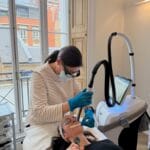
The question is seldom whether a device can remove pigment, but whether the biology beneath that pigment has been stabilised sufficiently to tolerate correction. In practice, treatment success depends less on technical capability and more on whether the clinician has correctly identified the dominant biologic driver in that individual’s skin. Device selection is therefore an exercise in clinical judgement rather than technological enthusiasm. BroadBand Light treatments are often effective when pigment presents as discrete lentigines or diffuse epidermal irregularity within stable skin. By targeting melanin and vascular chromophores simultaneously, BBL can improve clarity while also influencing background inflammation and dermal remodelling. However, in unstable melasma or highly reactive skin, excessive thermal stimulation may provoke rebound pigmentation, reinforcing the importance of timing and parameter selection.
HALO occupies a strategic position when pigmentation coexists with structural ageing. Pollution does not simply increase pigment; it contributes to collagen degradation, oxidative injury and textural decline. Hybrid technologies combining ablative and non-ablative wavelengths allow simultaneous epidermal renewal and dermal stimulation, addressing multiple consequences of environmental exposure within a single framework. The goal is controlled regeneration rather than aggressive resurfacing.
Erbium-based platforms such as UltraClear represent an evolution toward precision resurfacing with reduced collateral thermal injury. This shift is especially important for pigment-prone patients where excessive heat increases inflammatory risk. Adjustable depth and coagulation allow treatment to be tailored according to pigmentation type, barrier resilience and skin phototype. From a biological perspective, controlled resurfacing reduces pigment burden by replacing damaged epidermal layers while encouraging healthier regeneration. Outcomes become more predictable when these technologies are integrated into a broader stabilisation strategy rather than used in isolation.
The importance of clinical expertise
Pigmentation management is rarely a single-step process and sequencing of treatment is important. In clinical practice, successful pathways often begin with stabilisation and prevention, progress to light-based pigment targeting, and only then move toward structural refinement where needed. This layered approach reflects biological reality; environmental stress influences pigment pathways, vascular signalling and dermal structure simultaneously. Treating only one component limits results.
Restraint remains one of the most important yet least discussed principles in pigmentation management. Dramatic transformations may be visually appealing online, but excessive heat, repeated aggressive resurfacing or insufficient recovery time can provoke inflammation and relapse. This is particularly relevant in melasma-prone individuals and darker skin types where inflammatory pathways are more likely to leave persistent pigmentary residue. Intelligent treatment prioritises long-term stability over immediate visual change.
Pigment behaviour over time often surprises patients. Improvement is rarely linear. Once melanocytes have been repeatedly activated they may retain a form of biological memory, responding more rapidly to future environmental triggers even after visible improvement. Relapse therefore does not necessarily indicate treatment failure but reflects ongoing exposure acting on a primed system. Long-term success depends less on complete eradication than on maintaining stability and intervening early when subtle recurrence appears.
Pigment spots increasingly represent visible markers of cumulative environmental stress. Treating pigmentation therefore extends beyond aesthetics; it contributes to restoring healthier skin function. Patients frequently report that their skin feels calmer and more resilient once pigmentation improves, consistent with reduced oxidative burden and improved barrier integrity.
Pollution-related pigmentation sits at the intersection of modern urban living, climate change and human biology. The skin records these interactions visibly. Effective management requires moving beyond simplistic cosmetic narratives and towards a model grounded in diagnosis, biology and long-term prevention. The aim is not simply to remove pigment, but to understand why it developed in the first place.
Ultimately, pigmentation management is less about a single product or device and more about clinical interpretation. Successful outcomes depend on accurate diagnosis, understanding whether pigment is primarily inflammatory, hormonal, vascular or structural in origin, and recognising when skin is ready for intervention and when it requires further stabilisation. Skincare plays a central role in this process, not as an adjunct but as a biologic tool for controlling inflammation, supporting barrier integrity and reducing ongoing environmental stress.
No single technology can address every presentation of pigmentation. Pigmentation is therefore not a technology problem but a diagnostic one. Different devices influence different biologic pathways, and their success depends on selecting the right tool for the right context. BroadBand Light, hybrid fractional technologies (such as HALO) and modern Erbium resurfacing each have clear roles, but only when integrated into a coherent treatment strategy rather than applied generically.
This is why the quality of a clinic matters. Effective pigmentation management requires clinicians capable of accurately diagnosing, understanding skin biology deeply, guiding skincare intelligently and using multiple technologies with the judgement to adapt protocols to the individual rather than the reverse. When these elements come together, treatment moves beyond short-term correction and becomes long-term skin management, producing outcomes that are more consistent, more natural and more durable over time.