In recent years, the way ageing is described within medicine has begun to change. Rather than being viewed as an inevitable and somewhat abstract process of decline, it is increasingly understood as the cumulative result of a number of identifiable biological mechanisms unfolding across tissues over time. These mechanisms, now widely referred to as the hallmarks of ageing, include the gradual accumulation of genetic damage, the erosion of regenerative capacity, a shift in how cells produce and use energy, persistent low-grade inflammation, altered communication between cells, and the weakening of internal maintenance systems that normally preserve structure and function. The importance of this framework lies not in the list itself, but in the realisation that these processes do not occur in isolation. They interact continuously, reinforcing one another and shaping how the body responds to stress across decades.
When this framework is applied to the skin, the implications are unexpectedly wide. The skin expresses every one of these processes, and does so in a way that can be observed directly. It is also the organ most exposed to the environment, meaning it sits at the intersection between internal biology and external influence. A major review published in Nature Aging positions the skin not simply as a surface that shows the effects of ageing, but as a tissue that reflects, integrates and may even influence wider biological ageing. Physiological processes associated with skin ageing are closely intertwined with systemic hallmarks of ageing, and the skin’s ongoing interaction with the environment makes it a unique model through which these processes can be studied.
Seen through this perspective, visible changes in the skin are no longer interpreted as superficial. They become the outward expression of deeper cellular shifts that are also occurring in muscle, bone, brain and immune tissue. This does not diminish the importance of environmental exposure. Instead, it reveals how environmental exposure interacts with intrinsic biology over time.
The skin as an interface with the exposome
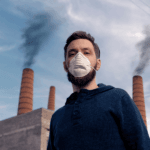
The skin occupies a singular biological position because it functions as both a barrier and a point of contact. Every day it is exposed to ultraviolet radiation, pollutants, temperature variation, microbes and mechanical stress. These exposures accumulate across a lifetime and influence gene activity, immune signalling and cellular metabolism. The review describes the skin as a primary interface with the exposome, a term used to capture the totality of environmental influences experienced throughout life.
The structural changes that accompany ageing are well recognised. The epidermis gradually becomes thinner and renews more slowly. The dermal extracellular matrix loses density and elasticity. The junction between the epidermis and dermis becomes flatter, reducing structural cohesion. Pigment production becomes less stable. Barrier recovery slows. Immune surveillance becomes less efficient. Each of these changes can be traced back to biological processes that are also present in other tissues, but in the skin they are visible in real time.
One of the reasons skin has become so important in ageing research is precisely because it is accessible. It allows scientists to study cellular ageing without invasive procedures, and it provides a living record of how the body has responded to stress across decades. The patterns seen in skin often mirror those found elsewhere in the body, but they appear earlier and more visibly.
DNA damage and the cumulative imprint of time
Skin cells accumulate genetic damage continuously. Ultraviolet radiation produces direct injury to DNA. At the same time, normal metabolism generates reactive oxygen species, unstable molecules that damage DNA, proteins and lipids. Over time, the systems responsible for repairing this damage become less efficient. Mutations accumulate. Cellular precision declines.
This process, known as genomic instability, does not mean that all cells suddenly stop functioning. It means that the instructions inside cells become less reliable. Some cells respond by slowing their activity. Others stop dividing. Others release inflammatory signals. Over decades, these small changes accumulate and alter how tissue behaves.
Different cell types within the skin respond differently to this damage. Melanocytes, the cells that produce pigment, appear particularly sensitive to oxidative stress. Damage to melanocyte stem cells contributes to uneven pigment distribution and hair greying. Hair follicle stem cells appear to maintain their function differently, illustrating how ageing unfolds unevenly across tissue compartments.
There is also evidence that the biological clock plays a role in how skin responds to stress. Epidermal stem cells show rhythmic patterns of activity across the day, meaning their ability to divide and repair fluctuates over time. With age, this circadian regulation becomes less robust. The timing signals that help coordinate repair processes weaken, and this loss of synchronisation may contribute to declining regenerative capacity.
Telomeres and the limits of cellular renewal
At the ends of chromosomes sit telomeres, protective structures that shorten slightly each time a cell divides. In tissues that rely on continuous renewal, including the epidermis, this gradual shortening influences how long stem cells can remain active. As telomeres shorten, the capacity for sustained regeneration declines. This is not an abstract concept. Skin depends on continuous turnover to maintain barrier integrity and structural strength. When the ability of stem cells to divide is reduced, renewal slows. Healing takes longer. Structural resilience decreases.
Experimental models have shown that restoring telomerase activity, the enzyme that maintains telomere length, can improve stem cell mobilisation and hair growth. These findings suggest that part of what we recognise as ageing skin reflects the gradual erosion of regenerative potential at a cellular level rather than simply accumulated damage.
Stem cells and the fading capacity to repair
Skin is sustained by populations of stem cells that continuously replenish the epidermis, support hair growth and contribute to wound healing. Over time, these cells become less active. Their environment becomes less supportive. Signals that regulate their behaviour become less precise.
This process is often described as stem cell exhaustion, meaning the gradual decline in the ability of stem cells to renew and repair tissue. In practical terms, it contributes to thinning skin, slower healing and reduced structural integrity. Similar patterns are seen in other tissues where regenerative decline is a recognised feature of ageing.
Importantly, this decline does not occur in isolation. It is influenced by DNA damage, telomere shortening, metabolic change, inflammation and altered communication between cells. Each of these factors interacts with the others, creating a network of gradual deterioration.
Mitochondria, energy production and biological resilience
If there is a central theme in modern ageing biology, it is the importance of mitochondrial function. Mitochondria are the structures inside cells responsible for producing energy and regulating metabolic balance. As mitochondrial function declines, cells produce less energy and generate more reactive oxygen species. This contributes to oxidative stress, DNA damage and impaired repair.
NAD+, is a molecule central to cellular energy metabolism. Declining NAD+ levels appear to influence mitochondrial resilience, stem cell behaviour and cellular responses to stress. In experimental models, restoring NAD+ levels has improved mitochondrial performance and cellular function across multiple tissues, including skin. This places mitochondrial decline at the centre of how tissues lose resilience over time. When energy production becomes less efficient, repair processes slow. Cells become more vulnerable to stress. Recovery becomes less complete.
Cells that stop dividing but remain active
One of the defining features of ageing tissues is the accumulation of cells that have entered a shutdown state in which they no longer divide but remain metabolically active. These cells release inflammatory molecules and enzymes into their surroundings. Over time, their presence alters the local environment.
In skin, these ageing cells influence neighbouring cells by releasing signals that promote inflammation and disrupt structural proteins. There is also evidence that tiny particles released by these cells can travel through the bloodstream and influence distant tissues. This introduces an important idea. Ageing skin may not simply reflect biological decline. It may contribute to it by altering the signalling environment of the body.
The slow shift from repair to inflammation
As the balance between damage and repair changes, inflammatory signals gradually increase. Keratinocytes, the main cells of the epidermis, act as sensors. When stressed, they release cytokines and reactive oxygen species. At the same time, antioxidant defences decline with age, allowing oxidative stress to accumulate. This creates a feedback loop in which inflammation promotes damage, and damage promotes further inflammation. Over time, this environment contributes to structural breakdown and impaired healing.
This interplay between energy metabolism, cellular signalling and repair capacity forms the biological foundation upon which visible skin ageing is built. The processes described here do not occur only in the skin. They occur across the body. What makes the skin distinctive is that these processes can be observed directly, and that environmental exposure amplifies them.
In this sense, the skin becomes more than a surface. It becomes a visible model of how the body adapts to stress over time.
Intercellular signalling, systemic connections, and the skin as a participant in whole-body ageing
The processes described so far form the foundation of how ageing unfolds within the skin at a cellular level. DNA damage accumulates. Energy production becomes less efficient. Stem cell activity declines. Cells that no longer divide begin to influence the surrounding tissue through inflammatory signalling. Repair becomes less complete. Over time, this shifts the balance from renewal towards gradual deterioration.
Yet the second half of the framework extends beyond what is happening within individual cells and begins to explore how tissues communicate with one another. Ageing is not simply the result of localised damage. It is shaped by how cells sense nutrients, how they clear damaged material, how they communicate through chemical signals, and how microbial ecosystems interact with immune function. Within this wider network, the skin emerges as a tissue that does not merely show the effects of ageing but may help shape the systemic environment in which ageing unfolds.
Nutrient sensing, cellular housekeeping and internal balance
Cells constantly assess the availability of nutrients and energy, adjusting their behaviour accordingly. Pathways that regulate growth, repair and metabolism respond to signals such as glucose availability, amino acid levels and energy demand. In youth, these systems help maintain balance. Cells grow when resources are plentiful and shift into repair mode when resources are limited.
With age, this balance becomes less precise. Pathways that normally coordinate growth and repair become dysregulated. One consequence is that the cellular recycling process, known as autophagy, becomes less efficient. Autophagy is the mechanism by which cells remove damaged components and recycle materials. When it functions well, it helps maintain structural integrity. When it declines, damaged proteins and organelles accumulate.
In the skin, this loss of internal maintenance contributes to slower healing, reduced resilience and structural weakening. It interacts with other ageing processes by allowing damaged components to persist, increasing oxidative stress and inflammatory signalling. Over time, the decline in cellular housekeeping contributes to the broader shift from regeneration towards deterioration.
Intercellular communication and the changing tissue environment
Cells communicate continuously through chemical signals. These signals coordinate immune responses, regulate growth and help tissues respond to stress. With age, this communication becomes less precise. Cells release different patterns of signalling molecules; some signals become exaggerated and others diminish.
In the skin, the accumulation of ageing cells that no longer divide but continue releasing inflammatory signals alters the local environment. These signals influence neighbouring cells, encouraging them to adopt stress responses of their own. Over time, this creates a tissue environment in which repair is less efficient and inflammation is more persistent.
There is growing evidence that this signalling is not confined to the immediate surroundings. Tiny membrane-bound particles released by cells, known as extracellular vesicles, can carry proteins, genetic material and signalling molecules through the bloodstream. These vesicles provide a mechanism by which changes in one tissue may influence another.
Within this context, the skin becomes part of a wider communication network. Signals generated in response to environmental stress may extend beyond the skin itself and contribute to systemic inflammatory patterns.
The skin barrier and systemic inflammation
The skin barrier plays a central role in maintaining physiological balance. It prevents excessive water loss and protects against environmental stress. With age, barrier function becomes less efficient. Recovery from damage takes longer. Subtle barrier disruption becomes more common.
The review highlights evidence that barrier dysfunction may influence systemic inflammation. Increased water loss through the skin, a marker of barrier weakness, has been associated with higher levels of inflammatory cytokines in circulation. These circulating signals are linked to broader physiological changes and have been associated with cardiovascular disease.
This introduces a significant idea. Changes in the integrity of the skin barrier may contribute to the wider inflammatory environment of the ageing body. The skin is not simply responding to internal change but rather may be helping shape it.
The microbiome and the shifting ecological landscape of ageing skin
The skin is home to a diverse ecosystem of microorganisms that interact with the immune system and contribute to barrier function. In youth, this microbial balance supports immune regulation and helps maintain stability. With age, changes in sebum production, pH and immune activity alter this balance. Certain microbial populations become more dominant. Others decline.
These shifts may influence inflammation and tissue behaviour. Microbial metabolites can affect immune signalling and cellular metabolism. When the balance of the microbiome changes, the signals sent to the immune system change as well.
There is also increasing interest in the relationship between the skin microbiome and the gut microbiome. Signals generated in one system may influence the other. The precise nature of this relationship remains under investigation, but it reinforces the idea that skin is part of a wider ecological network rather than an isolated surface.
The skin–bone axis and cross-organ signalling
One of the more unexpected aspects is the relationship between skin and bone health. Keratinocytes, the main cells of the epidermis, produce signalling molecules that influence bone remodelling. Among these is a protein called cystatin A, which appears to affect the activity of osteoclasts, the cells responsible for breaking down bone.
With age, production of cystatin A declines. This reduction may alter the balance between bone formation and breakdown, contributing to increased bone loss. The idea that changes in the skin could influence skeletal health introduces a different way of thinking about how tissues interact. This connection is part of a broader pattern in which ageing tissues influence one another through signalling pathways. The skin, by virtue of its size and activity, may play a role in this network.
Vitamin D, immune signalling and systemic physiology
The skin is also central to vitamin D synthesis. Ultraviolet exposure converts precursor molecules in the skin into vitamin D, which is then activated through metabolic processes. With age, the efficiency of this conversion declines. Reduced vitamin D levels have been associated with changes in bone health, immune function and metabolic regulation. This is another example of how changes in skin biology may influence wider physiological systems. The skin does not simply reflect systemic health but contributes to it.
Skin as a visible model of systemic ageing
Taken together, the processes described position the skin as a uniquely informative tissue. It records environmental exposure. It responds to metabolic and immune signals. It produces signalling molecules that influence other tissues. It reflects how well repair mechanisms are functioning. Because it is visible and accessible, it provides a window into processes that are otherwise difficult to observe.
This has implications for how ageing is studied. Skin allows researchers to observe changes in DNA stability, stem cell behaviour, mitochondrial function and inflammatory signalling over time. It offers a living model through which systemic ageing processes can be examined.
Interpreting the broader meaning
When skin ageing is viewed through this systems-based framework, it becomes part of a larger narrative about biological resilience. The structural changes that appear over time mirror deeper shifts in how the body maintains itself. Energy production becomes less efficient. Repair systems slow. Communication between cells changes. Inflammatory signals become more persistent.
The skin is not unique in experiencing these changes, but it is distinctive in how clearly they can be seen. It becomes a visible record of how the body has responded to stress across decades. The cumulative imprint of environment, metabolism and immune signalling is written into its structure.
At the same time, the emerging evidence that skin can influence systemic physiology through signalling pathways suggests that it is not simply a passive record. It participates in the network of biological communication that shapes how tissues age.
A shift in perspective
Understanding the skin in this way changes how it is interpreted. It becomes possible to see it as a tissue that reflects the balance between damage and repair, between resilience and decline. It sits at the boundary between the environment and the body, continuously responding to stress and adapting over time.
The processes described in the hallmarks framework are present across all tissues, but the skin provides a uniquely accessible way of observing them. Its structure, function and behaviour mirror wider biological patterns. Changes that appear gradually at the surface often reflect deeper shifts unfolding throughout the body.
This perspective does not reduce skin ageing to a cosmetic issue, nor does it suggest that the visible changes are unimportant. Instead, it situates them within a broader biological context. The skin becomes a tissue through which systemic ageing can be observed, interpreted and studied.
What this means in practice: supporting skin as a biological organ over time
When the skin is viewed through the lens of ageing biology rather than appearance alone, the question of intervention shifts. The focus moves away from correcting isolated visible changes and towards supporting the underlying systems that allow skin to maintain itself. The hallmarks framework does not point to a single cause of ageing, and it does not imply a single solution. Instead, it describes a gradual drift in cellular function across decades, shaped by cumulative exposure, metabolic health, inflammatory signalling and regenerative capacity.
What emerges from this perspective is the idea that skin health is closely linked to whole-body resilience. The same biological processes that influence how skin renews, repairs and responds to stress also influence how the body ages more broadly. Energy metabolism, immune signalling, sleep, nutrition and physical activity all interact with the pathways described earlier. Over time, these factors influence how well the skin maintains its structure and function.
This is one of the reasons lifestyle consistently appears in ageing research as a central modifier. Regular physical activity is associated with improved mitochondrial function and reduced inflammatory signalling. Adequate sleep supports circadian regulation, which in turn influences stem cell behaviour and repair cycles. Nutrition provides micronutrients that accumulate within the skin and support antioxidant defence. Protection from environmental stress reduces the rate at which DNA damage accumulates. None of these factors acts in isolation, but over decades they shape the biological environment in which skin exists.
Alongside these systemic influences, the idea that the skin itself is an active organ within ageing biology raises a second question. If skin is not just a surface but a living, communicating tissue, then supporting its structure and function becomes a meaningful part of maintaining overall biological resilience. Barrier integrity influences inflammatory signalling, keratinocytes communicate with immune pathways, and signalling molecules produced in the skin may influence bone and metabolic health. These observations are still being explored, but they reinforce the idea that skin is part of a wider physiological network.
From a clinical perspective, this changes how interventions are framed. Rather than focusing solely on visible change, there is increasing interest in approaches that support skin’s ability to repair, renew and maintain structural integrity. Treatments that stimulate collagen production, improve barrier function, support vascular health and encourage regenerative signalling may be relevant not only for appearance but for the underlying biology of the tissue.
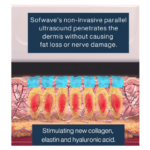
Energy-based devices like Sofwave and Pure Impact, for example, are often discussed in aesthetic terms, but at a biological level their effects centre on controlled stimulation of repair pathways. By creating precise, targeted injury within the skin, they trigger regenerative responses that lead to collagen production, remodelling of the extracellular matrix and changes in cellular signalling. In the context of the hallmarks framework, these interventions can be understood as attempts to re-engage repair mechanisms that have become less responsive over time.
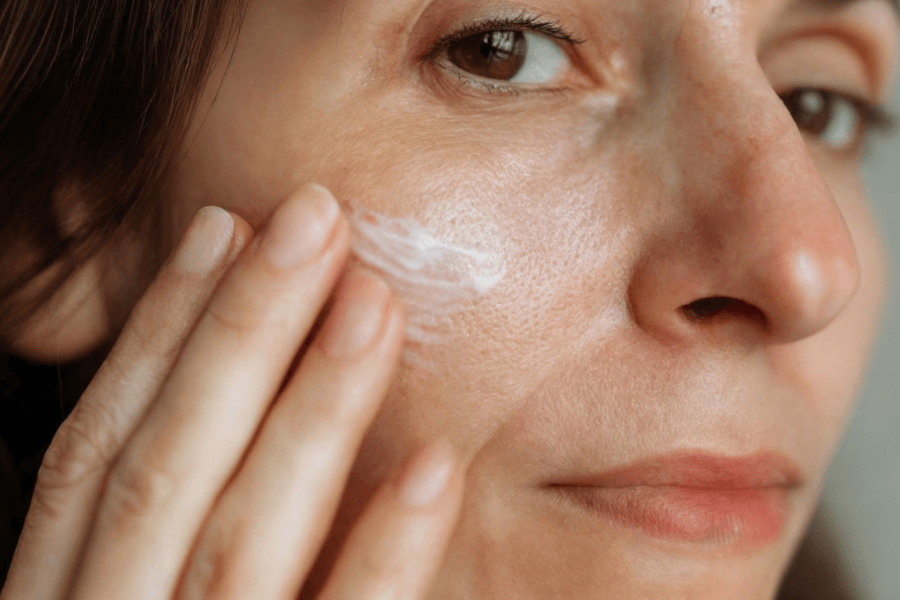
Similarly, approaches that improve skin barrier function and reduce chronic inflammation may have implications that extend beyond surface comfort. If barrier disruption contributes to low-grade systemic inflammatory signalling, then supporting barrier integrity becomes part of maintaining physiological balance. Treatments aimed at improving hydration, lipid balance and epidermal resilience can be interpreted within this wider biological context.
There is also growing interest in how regenerative treatments influence cellular behaviour. Techniques that stimulate repair responses within the dermis, encourage vascular support or influence stem cell activity are increasingly being explored not just for cosmetic outcomes but for their role in maintaining tissue function. While it would be premature to position any single intervention as altering the course of ageing, the direction of research reflects a broader shift. The goal is no longer simply to smooth or lift. It is to support the biological systems that allow the skin to maintain itself.
The same principle applies to long-term skin health strategies. Monitoring structural changes over time, identifying early signs of barrier decline, pigment instability or vascular change through tools like VISIA consultations, and intervening in a measured way aligns with the idea that ageing is cumulative and gradual. The earlier the tissue environment is supported, the more likely repair pathways are to remain responsive.
Perhaps the most important takeaway is not that ageing can be reversed, but that it can be influenced. The trajectory is shaped by cumulative exposures, biological resilience and how effectively repair systems continue to function. Skin sits at the centre of this interaction. It records the past, responds in the present and reflects the balance between damage and repair over time.
Seen in this light, caring for the skin becomes less about chasing change and more about supporting function. The skin is a tissue that renews itself continuously, communicates with immune and metabolic systems, and adapts to stress. Supporting that adaptability is a long-term process, not a single intervention.
This perspective aligns closely with a consultation-led, medically grounded approach to skin care. Understanding how a patient’s skin behaves, how it responds to stress, and how its structure is changing over time allows for more considered decisions. Treatments can then be chosen not simply to address a visible concern, but to support the tissue in a way that aligns with its biology.
The science of ageing is still evolving. Many of the pathways described in the review are being actively investigated, and the connections between skin and systemic ageing are not yet fully mapped. What is already clear, however, is that skin is far more than a passive surface. It is an active biological organ, shaped by time, environment and internal physiology, and deeply connected to the wider processes that influence how the body ages.
Understanding that relationship shifts the conversation. The skin becomes a visible expression of resilience, repair and adaptation. Looking after it becomes part of a broader strategy for maintaining health over time.
Reference
Furman et al. Skin health and biological ageing. Nature Aging 2025;5:1195-1206.