Rosacea
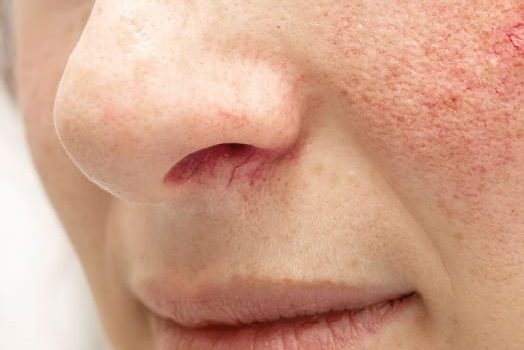
Rosacea is a common inflammatory skin condition which can cause significant distress to the sufferer and may, in more severe cases, be linked to other medical conditions. It often goes under-recognised and undiagnosed.
Self London is here to address your rosacea and help restore your confidence and wellbeing, using a bespoke combination of prescription creams, tablets and laser therapies, as well as discussing lifestyle measures.
Symptoms of rosacea
Rosacea most commonly causes persistent facial redness, particularly across the cheeks, nose, chin and forehead. Many people notice that their skin flushes easily at first, but over time this redness can become more constant and noticeable.
Other common symptoms include:
- Visible thread veins (broken capillaries) on the face
- Small red bumps and pus-filled spots that can resemble acne
- Dry, rough or flaky skin
- Increased skin sensitivity, including stinging, burning or irritation
- Episodes of flushing triggered by factors such as heat, alcohol, spicy foods, stress or exercise
- Thickening of skin on the nose
Rosacea symptoms often fluctuate, with periods of flare-ups followed by times when the condition appears calmer. While there is no cure, early diagnosis and appropriate treatment can help reduce redness, minimise flare-ups and improve overall skin health
What causes rosacea?
Rosacea is a separate condition from acne, although small spots sometimes appear within the affected area. Unfortunately, the exact causes of rosacea are unknown, but multiple trigger factors have been identified. It is important for sufferers to seek help from a qualified dermatologist who is able to address all aspects of this troublesome, chronic condition.
Are there different types of rosacea?
In the past, rosacea has been divided into subtypes on largely descriptive factors:
- Erythematotelangiectatic: redness, flushing, and prominent blood vessels
- Papulopustular: acne type with the presence of spots or pustules
- Rhinophyma: thickening of the skin of the nose
- Ocular: rosacea associated with the eyes
How can I differentiate rosacea from other skin conditions?
Rosacea is often confused with acne, eczema and seborrhoeic dermatitis because they can all cause facial redness and irritation.
Unlike acne, rosacea does not usually cause blackheads. Unlike eczema, it is less associated with itching and dry patches. Seborrhoeic dermatitis tends to cause redness with flaky, greasy scales, particularly around the nose and eyebrows.
Because these conditions can look very similar, a professional skin assessment is the most reliable way to confirm if you have rosacea and determine the most effective treatment approach.
Can diet affect rosacea symptoms?
Yes, diet can play an important role in triggering rosacea flare-ups in some individuals. Common dietary triggers include alcohol, spicy foods, hot drinks and foods high in histamine, all of which can increase facial flushing and inflammation.
However, triggers vary from person to person and not everyone with rosacea will react to the same foods. Keeping a food and symptom diary can help identify patterns and determine which dietary factors may be worsening your symptoms.
How do you clear up rosacea?
Rosacea is often managed badly as it seems to fall between the medical and cosmetic world. Managing rosacea is a tricky process as the condition is chronic (ie, it can be controlled but not cured). Coming up with a treatment plan involves a combination of lifestyle factors including skincare, medical creams and prescription tablets, light and laser therapies, camouflage techniques (if the patient desires), as well as input from a clinical psychologist where possible. The end goal is to put the patient in control of their skin and not let their skin problems control them.
General tips for rosacea
- Wear a broad-spectrum sunscreen (ideally SPF 50) every day – over 80% of those who suffer with rosacea will find their facial redness is driven by UV light. Opt for a mineral sunscreen over a chemical one as this is less likely to cause sensitivity and irritation.
- Use skincare that is fragrance-free and minimalistic. Complex multi-step routines, acids, exfoliators, menthol and witch hazel can all be common triggers so they are best avoided. I recommend the La Roche-Posay Toleriane range or Avène Antirougeurs cleanser and skin recovery cream (no conflict of interest).
- Green tinted primers can be worn under makeup to camouflage or neutralise redness – again, not being paid to say this, but I like the Vichy and Smashbox ones.
- Minimise known triggers where possible. Some people find that alcohol or spicy foods can be problematic; they should limit these.
- See an appropriately trained medical professional. A consultant dermatologist will have extensive experience in managing the condition and those of us who do laser treatments will be able to put together the right plan in the right order to be able to advise you how to manage the condition both short and long term.
For expert help with your rosacea, contact the clinic to book a consultation.